

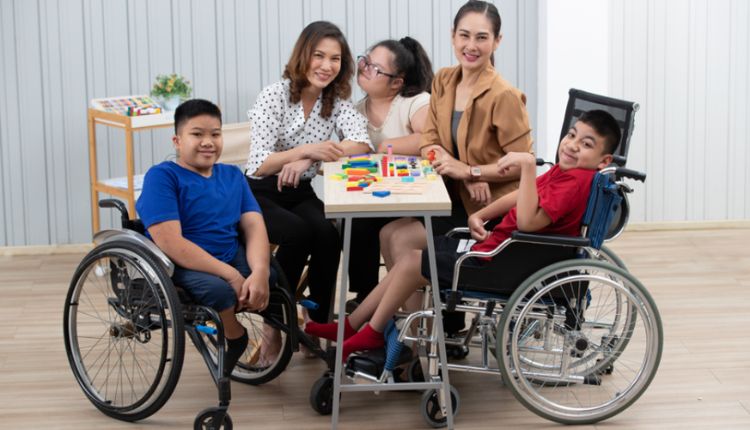
For decades, disability services were built around systems rather than people. Individuals with disabilities were often placed into programs designed for convenience and efficiency — programs that prioritized institutional needs over personal ones. The result was care that, while well-intentioned, frequently stripped people of their sense of agency and belonging. That approach is being fundamentally rethought.
A Shift in Philosophy
Across the country, a growing number of service providers, families, and advocates are embracing a philosophy known as person-centered care — one that begins with a simple but powerful premise: the person receiving support is the expert on their own life. This shift isn’t just a change in language. It represents a complete reimagining of what disability support is supposed to do and who it is supposed to serve.
What Person-Centered Care Actually Means
Person-centered disability services are built around the unique goals, preferences, and strengths of each individual. Rather than assigning a one-size-fits-all care plan, providers collaborate directly with the person — and their loved ones — to design support that aligns with who they are and what they want their life to look like. This might mean choosing where to live, how to spend a day, what kinds of work or activities feel meaningful, or simply having a genuine say in daily routines. At its core, person-centered care treats disability not as a limitation to manage, but as one dimension of a full and complex human identity.
Outcomes That Speak for Themselves
Research and on-the-ground experience consistently show that when people with disabilities have meaningful control over their own support, outcomes improve across the board. Emotional well-being increases. Social connections deepen. Individuals report greater satisfaction with their lives and feel more integrated into their communities. Families also experience significant relief when they see their loved ones thriving rather than simply being maintained. The shift from passive recipient to active participant transforms the entire relationship between a person and their care team — making it collaborative rather than hierarchical.
The Role of Residential and Community-Based Settings
One of the most powerful arenas for person-centered care is the home itself. Small residential settings and community-based homes that embrace this philosophy offer something institutions rarely can: the warmth, consistency, and familiarity of a real home environment. Organizations like Mariah’s Family Care Home represent an approach to residential disability support where individuals are not just housed — they are known, valued, and encouraged to grow. In settings like these, caregivers build genuine relationships over time, understand each person’s history and preferences, and adapt support as needs evolve. That continuity of care is something larger facilities often struggle to provide.
Listening as a Core Skill
One underappreciated element of person-centered services is the discipline of listening. Truly hearing what someone wants — especially when they may communicate differently or face barriers to self-expression — requires patience, skill, and a genuine commitment to honoring what is shared. Providers who excel in this area invest in training their staff to move beyond checklists and schedules. They create space for ongoing conversations about dreams, frustrations, and preferences, recognizing that what a person wants today may evolve over time.
Challenges and the Path Forward
Person-centered care is not without its challenges. Funding systems, regulatory frameworks, and staffing pressures can all create friction between the ideal and the everyday. Implementing truly individualized support requires both systemic change and a deep cultural commitment from organizations and caregivers alike. Yet the momentum is real. Families are increasingly vocal about the kind of care they expect. Advocates are pushing for policies that embed person-centered principles into funding and licensing requirements. And providers who have made the shift report not only better outcomes, but more fulfilled and engaged care teams as well.
A Future Built Around People
The movement toward person-centered disability services is ultimately a moral one — a recognition that every person, regardless of ability, deserves to live a life shaped by their own choices and aspirations. It asks more of providers, more of systems, and more of society. But what it gives in return — dignity, belonging, and genuine flourishing — is immeasurable. As best practices spread and awareness grows, the hope is that person-centered care becomes not the exception, but the standard.
